Wednesday, September 3, 2014

Summer Daze

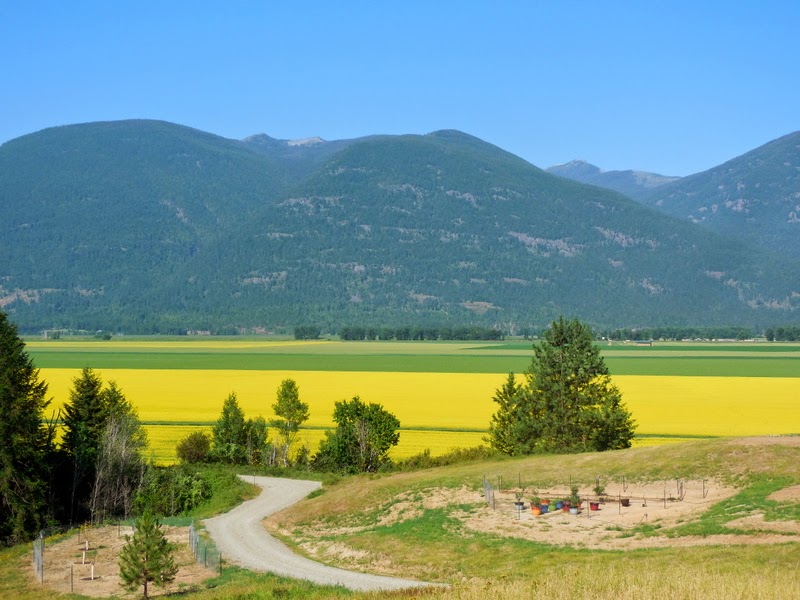
It's starting to smell a lot like Autumn. This is how it starts each year. No colors in the trees yet, but the smell of harvest is in the air. We've had a whirlwind summer season of road and trail building, tree planting, tree thinning/pruning, weed fighting, wildlife habitat development and enough basic land sculpting to give us
an awesome three season boondocking spot for as long as we feel like doing this fulltime RV thing.

We even had enough visitors that we "forced ourselves" to take time out from the satisfying tasks of forest management to actually explore the forests, streams and lakes that surround our property in Far North Idaho and British Columbia.

While most of the west is in drought, water just gushes out of the earth here. These falls on the Kootenay river look almost exactly the same today as they did in the late 1700's when they were first painted in water colors by early fur trappers/explorers. Google David Thompson for some interesting history.

All of these are nearby hikes where you can still be alone on the trail in the middle of summer.


Even the cows have it good up here.

Water in the mountains, water in the valleys, and still low humidity.

British Columbia is about 10 miles away. We didn't even scratch the surface of what there is to see within an easy day drive. What we did see reminded us of New Zealand (without the long flight).


There's plenty of wildlife. This guy likes a birch snag by our rig. He helps with the gophers.

They really like to twist their heads all the way around.

I don't know how long some of these deer will be around during hunting season based on how they like to stand and pose for us. That's OK though, there are way too many of them and they taste great!


Hiding in an alder grove protecting her brood.

Most people don't get as excited about trees as we do. If you're into forestry, Northern Idaho is to trees the way Napa Valley is to wine grapes. There isn't a better place to grow a huge diversity of tree species faster anywhere in the US. 

This white pine is about 400 years old. It's the state tree of Idaho, but there aren't very many left. A fungus called blister rust was introduced here from Europe in the early 1900's and wiped out the population. New blister rust resistant trees have been bred and the tree is being reintroduced. It's a beautiful tree, and we're planting hundreds on our place.

There are several spots in the national forest where you can find ancient cedar trees. Cedars and redwoods are genetically related. While redwoods grow larger, these cedars are older than any of the redwoods in CA. They are slower growing and much more disease resistant than redwoods. At this size they are too large to even be cut in a mill.


The largest hop farm in the US is right across the valley from us. The Clydesdales visited the hop farm this summer.
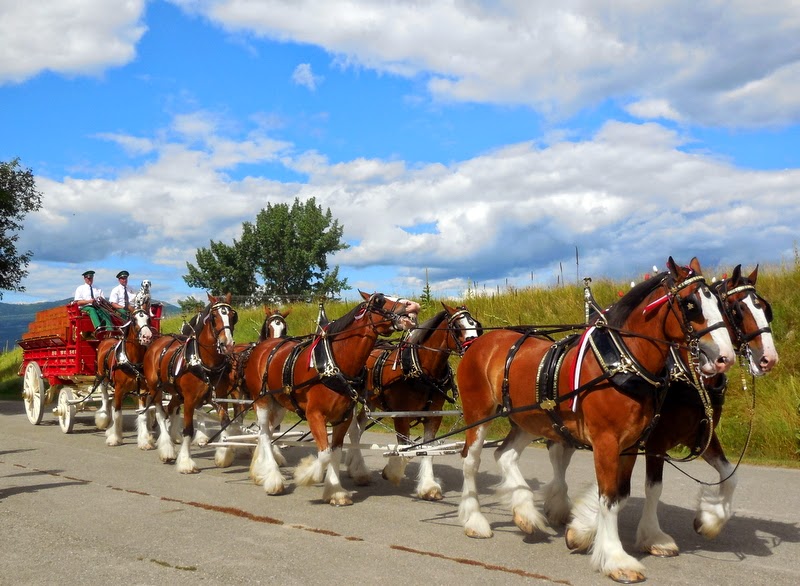

These are some big horses.


The hops trellising looks small from up above.


But the trellis system is about 25 feet high. A little bigger than the vineyards we were used to.

It wouldn't be summer without the dogs. They're getting old, but they were ready for action all season long.


The original coal miner's daughter from West Hazleton, PA, Susan's mom came for a visit in August.

We took her on a tour of the miles of old farm/logging roads on the property
 .


A little relaxation after a long day of exploring.

And a side trip to Sandpoint and Lake Pend Oreille.


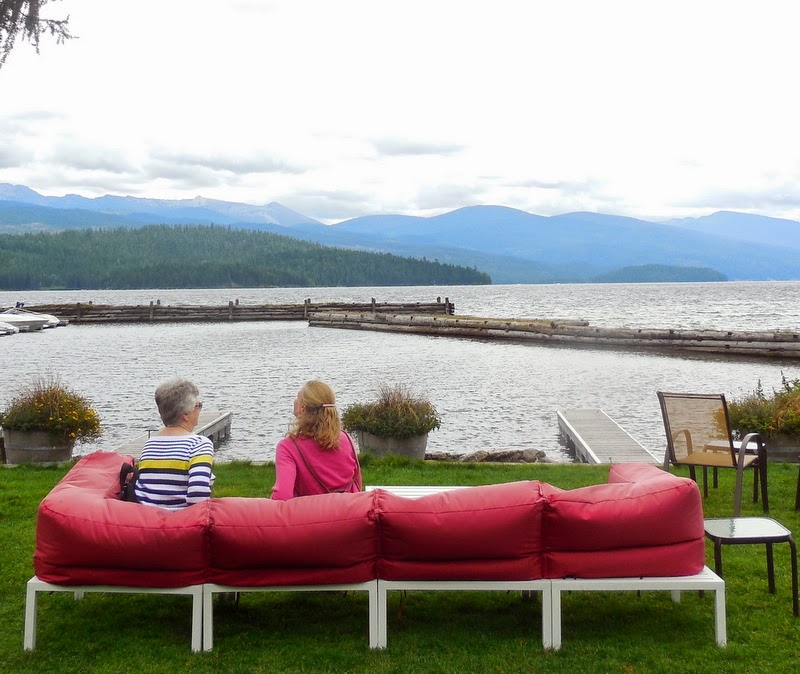
And Priest Lake, the jewel of Northern Idaho, even on a cloudy day. Roads going up the western and eastern sides of the lake actually dead end in wilderness about 20 miles south of the Canadian border. We found a nice private boondocking spot by the lake for next year.
The days are getting shorter and the sun is setting more to the south each day. It's almost time to start chasing it south again.

But before we start heading south in October, we're taking a post-Labor Day trip to the Montana side...Glacier National Park. Sunny days in the 60's and 70's are the perfect hiking weather for us and an excellent reason to skip the ugliness of the domestic/world news and the Internet for 10-14 days. We've scoped out some high potential boondocking spots in the national forest right next to the park. At least one of those will undoubtedly be a winner. We're way too spoiled to ever stay in another campground (even after Labor Day).

Wednesday, July 23, 2014

These are a few of our foraging things

It's been a busy Spring/Summer for us transforming our wild spot into a sweet boondocking space. It's been a flurry of road development, garden and orchard planting, well and irrigation system set-up, and septic dump station building to name a few things. And taking classes through the University of Idaho in sustainable/healthy forest management reminds us of the wine industry ag classes we took at UC Davis so long ago (minus the high cost and wine-related pretentiousness).

In addition to all of the hiking/fishing/swimming activities around here, one of our favorite activities has been foraging for food and other items. It's like a great big Easter egg hunt. Knowing where your food comes from is a good thing. Basically most of the "food" in the middle aisle of a grocery store is a poisonous cocktail of bad carbohydrates and chemicals. Even the meat, vegetables and fruit found around the perimeter of a grocery store can be a minefield of bad farming practices that diminish the nutritional value of these generally healthy, single-ingredient food choices. Michael Pollan wrote an incredible book called The Omnivore's Dilemma that describes the variety of food choices we all face each day. He also does it without being judgmental or preachy about food choices (unlike most people are with their diet "religions").

Here are some of the items we've been foraging on and near our property:

Mushrooms
Most everyone seems to appreciate morels. They come out here in the spring and sometimes in the fall.

One of the most interesting mushrooms we've found is the the puffball. That's a local name for the beast. They are as big (or bigger) than your head.


These guys have the texture and the look of mozzarella cheese. We slice them about a half inch thick and lightly saute them in butter. It's a wonderful, mild flavored mushroom.

Wild Asparagus
The fun in foraging is the hunting. Wild asparagus grows on the slopes of the old railroad bed alongside our property. They are tender enough to eat raw all the way down to the stalk. They melt in you mouth.


Elk
This may be our favorite red meat. leaner and more flavorful than fine grass-fed beef.


Putting it all together
Puffball mushroom on the left, wild asparagus in the middle, grilled elk tenderloin on the right, and a fine Napa Valley Cabernet to wash it down (that looks like Jake's junk standing in the background there).

Wild Rocket (aka Arugula)
This may be the perfect climate to grow arugula. Toss it with some olive oil, rice vinegar, salt, pepper, and Parmesan cheese shavings for one of the best salads out there.

Saskatoon Berries
The Saskatoon berry (AKA Serviceberry) was a new one for us. They grow like weeds around here and the deer love them. They have a very different rustic berry flavor and stain your fingers when you eat them. They're not as renowned as the Huckleberry, but still tasty (and easier to find/pick).

Farm Equipment
Being surrounded by farmlands, there is always a piece of old equipment around. This old John Deere combine has since been moved and donated to our local Future Farmers group. It will make a nice educational project for them to restore.


We're keeping this old horse drawn tiller. It will be an interesting piece once we clear out the weeds around it.

Newest addition to the foraging family
It became clear early on that doing everything by hand with a shovel, rake, and wheel barrow would be too much for us. Our new Yamaha Viking will be a good workhorse to help us access and work on all parts of the property. It's also the perfect vehicle to get up into the national forests in search of trout and huckleberries!


Other sundry foraging items
We're always collecting interesting rocks for the fire pit and dutch oven cooking area.

Between local estate sales and even the local dump, there's a lot of interesting outdoor furniture to be had for almost nothing. This is a handmade combo bench and picnic table.

We found this chair at the local dump while we were recycling some old barbed wire from our property. After a new coat of stain and a new $20 seat cushion it looks pretty good. It turns out this is from a company called A, Brandt Ranch Oak that has a fascinating history. It's apparently a sought-after collectors item...free from the dump.


With a few loads of local manure compost... 

and some rototilling of weeds and gopher mounds...

we've been able to so far go from this...

to this...

Orchard on the left, garden area on the right (our first large heirloom tomatoes and pickling cucumbers were ripe in mid-July without a greenhouse).

RV pad, irrigation tank, fire/cooking pit and dining areas.


And finally, for the Boonster, some pretty rainbows...